
How to Remove Algae and Debris from Your Pool After Winter
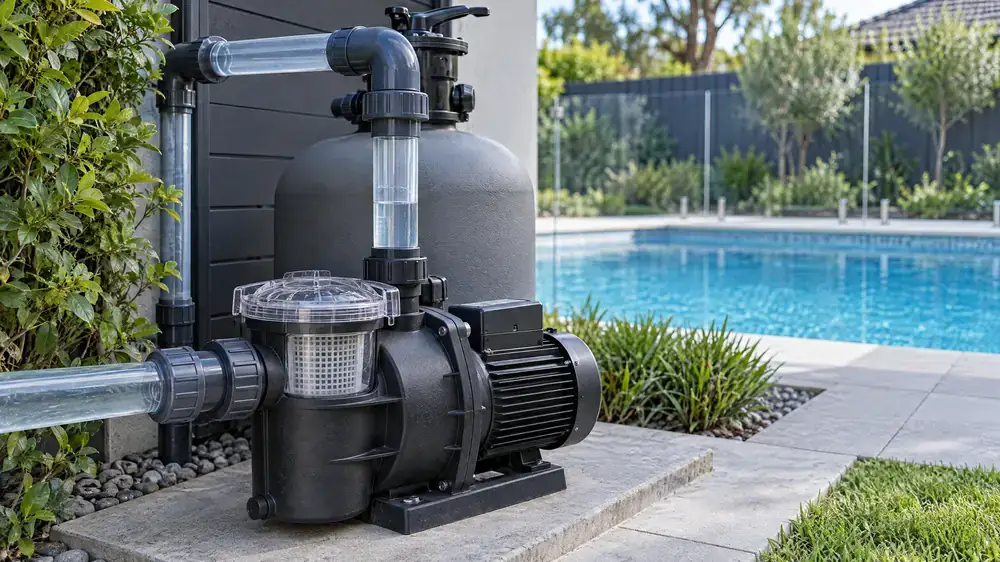
The first warm days of spring can reveal leaves on the floor, cloudy water and a green film around the walls. Here is a careful, practical way to clear a saltwater pool after winter without rushing straight to chemicals.
Winter weather leaves more than a few leaves behind. Rain can carry fine soil into the pool, wind can pack the skimmer with organic matter and cool, still water gives algae time to establish. A covered pool can still emerge looking dull or green, particularly if the cover has shifted or the circulation system has been switched off for an extended period.
For a Glen Waverley homeowner, the aim is not simply to make the surface look blue again. You want to remove the debris that consumes sanitiser, restore reliable circulation and check the saltwater system before anyone swims. Work methodically and allow the water to settle between stages. If you cannot see the floor, the pump is noisy or the chemistry is far outside its normal range, it is sensible to arrange professional testing rather than guessing.
Before you start: make the pool safe to assess
Keep people and pets out of the pool while it is being cleaned. Do not switch on equipment that is visibly damaged, flooded or full of compacted debris. Look over the cover, coping, skimmer box and equipment pad first. A cracked lid, exposed cable, leaking union or pump that will not prime deserves attention before a clean-up begins.
If the pool has a solid cover, remove standing water from the cover with suitable equipment before taking it off. Work with another adult where the cover is heavy, and keep leaves and dirty cover water out of the pool where possible. Rinse and dry the cover according to the manufacturer’s directions before storing it so it is ready for the next winter.
Never mix pool products together or add a product simply because the water looks green. Read the label for the specific product and your saltwater chlorinator, keep products in their original containers and follow the stated handling directions. When in doubt, pause and have the water and equipment checked.
Step 1: Remove the winter debris first
Start with the largest material. Use a leaf net to lift leaves, twigs and other floating debris from the surface. Empty the skimmer basket before it becomes packed, then check the pump basket with the pump switched off and isolated as directed by the equipment manufacturer. A blocked basket restricts flow and can make the clean-up harder.
Next, brush the walls, steps, benches and floor gently but firmly with a pool brush suited to the pool’s finish. Brushing loosens the film that protects algae and moves settled dust towards the filtration system. Pay close attention to shaded corners, behind ladders and around return fittings. If there is a deep layer of silt, do not stir the whole pool at once; work in sections and allow particles to settle.
Vacuum the floor when visibility and equipment allow it. If your setup includes a waste or drain-to-waste option, use it only as the equipment instructions allow and keep an eye on the water level. If the vacuum keeps losing prime, the filter pressure rises quickly or the water is too cloudy to see what you are doing, stop and arrange help. Sending debris through a filter that is already struggling can make the recovery slower.
Step 2: Restore circulation and inspect the filter
Clear water depends on moving water. Check that the water level is appropriate for the skimmer, open the required valves and run the pump according to the manufacturer’s instructions. Watch the system during start-up rather than leaving it unattended. Listen for grinding, rattling or repeated air bubbles, and look for leaks around the pump lid, filter and pipe connections.
The correct filter clean depends on the filter type. A sand or glass-media filter may need backwashing and rinsing, while a cartridge filter generally needs to be removed and cleaned with a suitable hose. Do not backwash a cartridge filter, and do not dismantle a pressurised filter. If you are unsure which valve position to use, check the manual or use a qualified pool equipment technician.
Take a pressure reading after the system has settled and compare it with the normal clean-filter reading for your pool. A high or rapidly climbing reading can point to a blocked filter or heavy debris load. A low reading may indicate an air leak, a water-level issue or a restriction before the pump. For persistent problems, pool equipment repair in Glen Waverley can help identify the cause before more parts are affected.
Step 3: Brush algae and deal with cloudy water
Algae can cling to surfaces even when the water appears only slightly green. Brush the pool thoroughly, then keep the pump and filtration running as recommended for the condition of the water. Clean the filter when its pressure or flow indicates it is loaded. The exact recovery time varies with the amount of algae, water temperature, circulation and the condition of the filter.
Saltwater pools still need a properly sanitised and balanced water supply. The salt cell makes chlorine; it does not remove leaves or replace brushing and filtration. During a clean-up, the cell may be working against a large organic load, and a cell that is scaled or not producing correctly will not perform as expected. Avoid turning the chlorinator up repeatedly without checking the actual water readings.
When the pool is visibly green, heavily contaminated or repeatedly turns green after cleaning, use a green pool cleaning service rather than treating the colour alone. A professional clean can combine debris removal, brushing, filtration and measured water treatment. It also helps separate an algae problem from a circulation or equipment fault.
Step 4: Test the water before anyone swims
Once the large debris is out and water is circulating, test the water. At minimum, check sanitiser, pH and total alkalinity, then consider calcium hardness and stabiliser in line with your pool type and product guidance. Salt level should be checked against the chlorinator’s requirements. Record the result and retest after adjustments have had time to circulate.
Test strips are useful for a quick indication, but a difficult post-winter recovery can justify a more detailed test. Digital water testing provides a clearer starting point when readings look inconsistent or you suspect several factors are out of balance. Testing first avoids adding products that the pool does not need.
Make corrections one at a time and follow the product label. Do not swim until the water is clear enough to see the floor, the equipment is operating normally and the readings are within the ranges recommended for your pool and products. If you are uncertain how to interpret a result, a pool chemistry balancing service can help you choose a measured next step.
Step 5: Set up a spring routine that lasts
A post-winter clean is the reset, not the whole maintenance plan. Skim leaves regularly, empty baskets before they restrict flow and brush areas that collect dust. Check the filter pressure on a consistent schedule and note when the filter was last cleaned. Keep the water level in the operating zone, especially after heavy rain or vacuuming to waste.
For busy households, scheduled pool maintenance can take care of routine cleaning, equipment observations and testing. If you prefer to open the pool at the start of each warmer season and then manage the basics yourself, seasonal pool maintenance is a practical way to organise the changeover.
Saltwater owners should also keep an eye on the cell. Check for visible scale only when the unit is isolated and handled according to its instructions; never scrape or clean a cell casually. A seasonal check of the cell, pump, filter and controls can identify a small issue before it becomes a cloudy-water problem. An annual service is another useful checkpoint, especially for an older or heavily used pool; see the annual pool servicing option for a broader equipment and water review.
Quick after-winter pool checklist
- Remove cover water safely, then lift off, rinse and store the cover.
- Skim leaves and empty the skimmer and pump baskets.
- Brush walls, steps, corners and the floor to loosen algae and settled debris.
- Vacuum carefully, using the correct filter or waste setting for your equipment.
- Clean or backwash the filter only according to its type and manufacturer’s instructions.
- Run circulation and check for leaks, air, unusual sounds and abnormal pressure.
- Test sanitiser, pH, alkalinity, salt and other relevant parameters before swimming.
- Retest after adjustments and arrange professional help if clarity or equipment does not improve.
FAQs about opening a pool after winter
Why is my saltwater pool green after winter?
Algae can grow when circulation and sanitiser production are reduced, while leaves and rainwater add organic load. A green appearance can also be made worse by poor filtration or a salt cell that is not producing as expected. Test the water and inspect circulation rather than relying on colour alone.
Should I run the pump before removing all the leaves?
Remove as much large debris as possible first. Running with a full skimmer or pump basket can restrict flow. Once baskets are clear and the water level is suitable, run the system while monitoring pressure, leaks and noise.
How long should I wait before swimming?
Wait until the pool is clear enough to see the floor, the circulation and equipment are working normally, and water testing confirms that the balance and sanitiser level are appropriate for your pool. If readings are uncertain, arrange testing before swimming.
Can I use household cleaning products on the pool?
Use only products intended for pools and follow their labels and your equipment guidance. Household cleaners can introduce unwanted substances or damage surfaces and equipment. If you are unsure what is suitable, ask a pool professional before adding anything.
What if the water stays cloudy after the debris is gone?
Check circulation, filter condition and water balance. Fine particles may need continued filtration, but persistent cloudiness can signal an algae load, a filter problem or chemistry that needs correcting. Professional testing can save time when several readings are off.
Make your first swim a clear, confident one
Don’t let a winter-green pool take over your spring weekend. Call One Pool Cleaning Glen Waverly to discuss the debris, algae, water readings or equipment concerns at your property. We can help you work out the right next step before the problem becomes harder to manage.
Call today for a practical pool-care conversation, or send your details through our contact page.